


Restaurant and bar renovations move fast, and they rarely pause for procurement delays. A single missed delivery can push back an opening date that is already tied to lease terms, staffing plans, and marketing momentum. Getting FF&E and OS&E procurement right from the start is one of the clearest ways to protect a restaurant or bar project’s timeline and budget.
Here are seven considerations worth weighing before purchasing begins on a restaurant or bar renovation, drawn from 40 years of hospitality procurement experience across projects nationwide.
1. Durability Standards for High-Turnover Environments
Restaurants and bars see a volume of daily use that few other hospitality spaces experience. Seating, tabletops, and bar surfaces are touched, wiped, and reset dozens of times a day, which means durability has to be a top priority rather than an afterthought. A chair that looks perfect in a showroom can fail within months under the reality of nightly service, back-to-back seatings, and constant cleaning cycles.
What to Look For
- Commercial-grade upholstery rated for heavy daily use
- Finishes that resist scratching, staining, and moisture damage
- Seating construction built to withstand frequent movement and cleaning
A strategic procurement partner vets these specifications before a single order is placed, protecting the owner from costly replacements within the first year of operation. This kind of upfront diligence is especially important for high-volume concepts, where a fast-casual restaurant or busy neighborhood bar may see more daily wear in a single month than a boutique hotel lobby sees in a year.
Testing and specification review should happen before a deposit is placed with any vendor, not after the first batch of furniture arrives showing signs of premature wear. Meticulous rigor at this stage protects the owner’s investment for years, not just through the opening month.
2. OS&E Planning for Front and Back of House
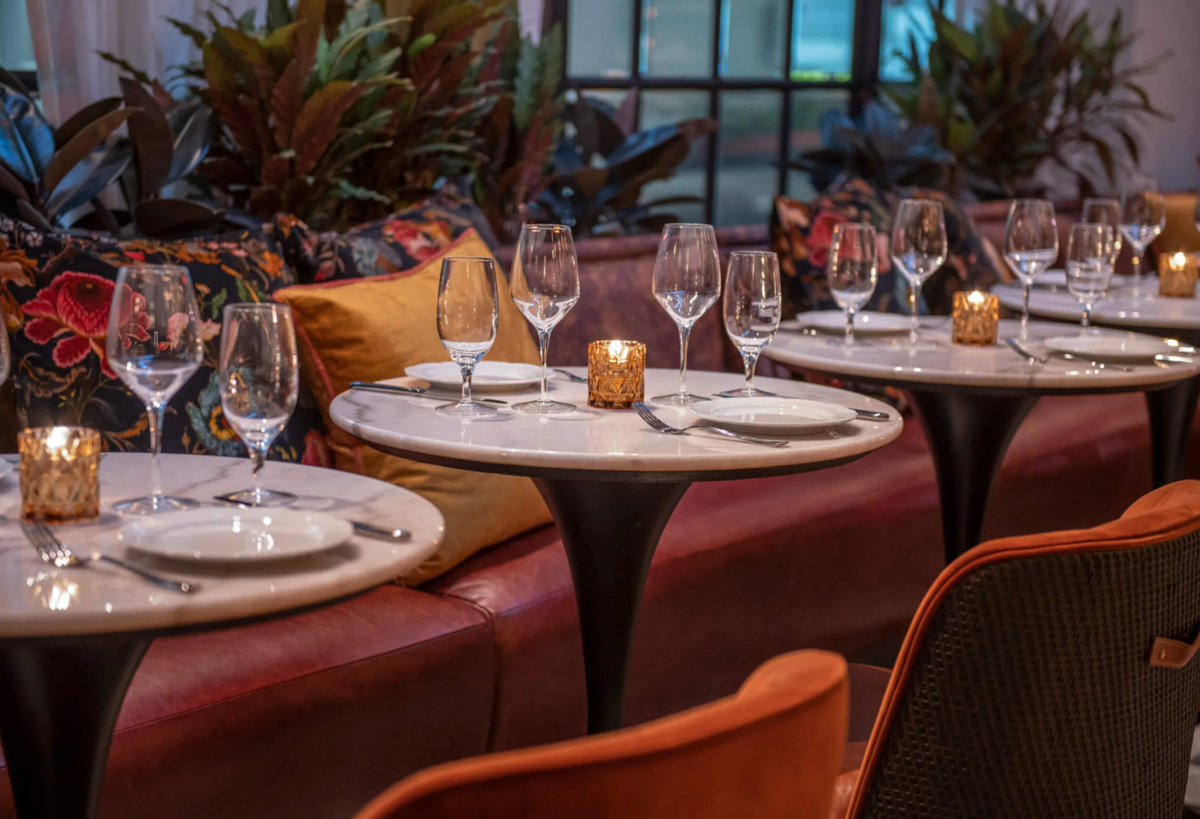
FF&E often gets the design spotlight, but OS&E, the dinnerware, glassware, linens, and kitchen supplies that support daily service, deserves equal attention. A well-planned OS&E strategy accounts for breakage rates, storage constraints, and the operational flow between front and back of house.
Our restaurant and food service procurement services take a hands-on approach to sourcing both FF&E and OS&E together, so design intent and daily operations stay aligned from day one.
Consistency matters here as much as quality. A restaurant that expects to reorder the same dinnerware or glassware pattern for years needs a procurement partner who can confirm a manufacturer will still carry that line, or who can plan ahead for a graceful transition if a product is discontinued. Overlooking this detail early can create headaches for operations managers long after the opening celebration is over.
3. Timeline Alignment with Lease and Opening Dates
Restaurant and bar openings are often tied directly to lease terms, meaning a delayed delivery does not just push back a soft opening, it can affect rent obligations and staffing schedules already in motion. Building a procurement timeline backward from a confirmed opening date, with buffer built in for common freight delays, helps protect against this kind of cascading risk.
Timeline Factors Worth Mapping Early
- Manufacturing and freight lead times for custom seating and casework
- Health department and occupancy inspection windows
- Staff training schedules that depend on a functional space
- Marketing and reservation systems tied to a fixed opening date
Independent restaurant and bar owners in particular often underestimate how tightly these factors are linked. A delayed banquette delivery does not just affect the dining room, it can push back the staff training that needs to happen in that same space, which in turn affects the soft opening schedule announced to guests and press. Mapping these dependencies early gives ownership groups a realistic view of what a delay actually costs in momentum, not just in dollars.
4. Design-Forward Choices That Still Support Operations
Guests notice design first, but staff live with operational realities every shift. The strongest restaurant and bar projects balance a design-forward atmosphere with furniture and finishes that genuinely support service flow, from banquette spacing that allows servers to move efficiently to bar tops sized for real prep and pour routines.
Thoughtful curation at this stage means involving procurement expertise alongside the design team early, rather than sourcing finalized designs after the fact and discovering operational friction once the space opens. A banquette that photographs beautifully but leaves servers squeezing past guests during peak service undermines the very guest experience the design was meant to create.
This is where hybrid expertise, human intuition paired with proprietary tools, adds real value. A procurement partner who has walked through hundreds of restaurant and bar layouts can often spot a spacing or clearance issue in a floor plan before construction begins, saving significant cost and disruption compared to catching the same issue after installation.
5. Vendor Reliability for Custom and Semi-Custom Pieces
Restaurant and bar concepts often rely on custom banquettes, bar fronts, or signature lighting to establish a distinct identity. Custom pieces carry more production risk than off-the-shelf furnishings, so vendor reliability becomes especially important.
Questions Worth Asking a Vendor
- What is the realistic production timeline, including buffer for delays?
- How is quality control handled before an item ships?
- What happens if a material or finish becomes unavailable mid-production?
A procurement partner who works with vendors directly, rather than through layers of intermediaries, can get faster, more accurate answers to these questions and respond quickly if an issue arises. Direct vendor relationships also give a procurement team more leverage to request expedited production or alternative finishes if a material shortage threatens the timeline.
Semi-custom pieces, such as banquette upholstery in a signature fabric or a bar front finished to match a specific design palette, sit in a middle ground that deserves particular attention. These items often carry longer lead times than fully off-the-shelf furniture but less production oversight than a fully bespoke piece, making close vendor communication essential throughout the manufacturing process.
6. Budget Protection Through Unbiased Vendor Selection
A fee-based procurement approach supports owner advocacy at every stage of a restaurant or bar project. Because recommendations are not tied to manufacturer rebates, vendor selection is based on quality, lead time, and fit rather than which product generates the highest commission.
This kind of financial protection matters especially for independent restaurant and bar owners, where budgets are often tighter and less forgiving of unplanned overruns than a larger hospitality portfolio might be. Transparent, itemized reporting throughout the project gives ownership groups a clear view of exactly where every dollar is going, supporting better decisions if adjustments become necessary partway through the buildout.
Win-win scenarios emerge naturally under this model. A fee-based partner benefits when the project succeeds on time and on budget, not when a particular vendor’s product is selected, which keeps the entire procurement process focused on outcomes that matter to the owner.
7. Proactive Problem-Solving When Supply Chain Issues Arise
Even a well-planned restaurant or bar project can run into supply chain disruptions, whether from freight delays, material shortages, or shifting availability. Proactive problem-solving, rather than reactive scrambling, is what separates a smooth opening from a stressful one.
Proprietary tools that track every item and dollar in real time allow a procurement team to spot potential delays early and pivot to alternative vendors or products before a delay affects the opening date. This kind of visibility turns a potential crisis into a manageable adjustment, often before the ownership group even needs to be alerted to a problem.
Quiet strength shows up here more than anywhere else in a restaurant or bar project. The strongest procurement partners resolve small issues before they become visible problems, protecting both the timeline and the owner’s peace of mind throughout a fast-moving buildout.
Bringing These Considerations Together
Restaurant and bar renovations reward owners who plan procurement as carefully as they plan the menu or the marketing launch. Durability, OS&E planning, realistic timelines, design that supports operations, vendor reliability, budget protection, and proactive problem-solving all work together to protect both the vision and the bottom line.
None of these considerations exist in isolation. A durable material chosen without regard for lead time can still derail a timeline, and a beautifully designed space that ignores OS&E planning can create operational headaches long after opening night. The strongest restaurant and bar procurement plans treat all seven of these factors as connected parts of a single strategy rather than a checklist to complete in sequence.
With 40 years of experience delivering hospitality-caliber procurement nationwide, R-W brings precision, protection, and partnership to every restaurant and bar project we support, treating each opening as our own.
If you are planning a restaurant or bar renovation and want a procurement partner who understands the pressure of a fixed opening date, we invite you to Request a Proposal and start the conversation with our team.
Partner with R-W Purchasing Partners for Smarter Procurement
As a women-owned firm based in Denver with 40 years of experience, we specialize in FF&E and OS&E procurement for hospitality and beyond. Our fee-based model ensures transparency and alignment with your goals. Contact us today to bring your vision to life.
If this list was helpful, consider sharing it with owners, designers, or project teams planning an upcoming restaurant or bar renovation.
Related Reading
- FF&E vs. OS&E in Hospitality: Key Differences, Common Pitfalls, and How R-W Purchasing Partners Handles Both Seamlessly
- Mastering the Shifting Tariff Terrain: How R-W Purchasing Partners Delivers Transparent, Item-Level Protection for Your Projects
- Streamline Your Hospitality Project Delivery: R-W Purchasing Partners’ Expert Logistics Management
Partner with R-W Purchasing Partners for Smarter Procurement
At R-W Purchasing Partners, we’re committed to delivering cost-effective, high-quality solutions tailored to the unique needs of your business. Whether you’re looking for strategic sourcing, vendor management, or procurement optimization, our team is here to help you achieve exceptional results.
Like this article? Spread the word!
Related Posts

6 Ways Luxury Hotel Renovations Benefit From Strategic FF&E Procurement
6 ways strategic FF&E procurement strengthens luxury hotel renovations. Request a…

Fee-Based vs. Commission-Based Procurement: What Hospitality Owners Should Know
Fee-based vs. commission-based procurement: see which model protects hospitality owners…

Can AI Replace Collaboration, Personal Service, and Creativity in Hospitality Procurement
AI can enhance efficiency in hospitality procurement, but it cannot replace the human…